

 TO MASK OR NOT TO MASK-that is the question a lot of us ask ourselves about these seemingly must-use beauty items. My answer is a resounding YES!
But, there’s so many……will that option really cleanse more deeply than just my facial wash? Does this other one hydrate my skin more than just my moisturizer? Can I really minimize the look of those pesky large looking pores on my nose with another formula? And do I really want to spend the time doing this?
YES! Yes, I do.
These masks in all of their various forms and formulas will do what they say-to a certain level-and using them has the added benefit of feeling extra pampered. Since everyday stress is a major culprit in causing negative skin conditions (diet does, too), a facial mask is an excellent time investment in your physical and mental self-care regimen. A mask is simply another way to introduce helpful ingredients to your skin. Using lotions and serums are other ways to do this. But the mask, in my opinion, is a better vehicle overall because I have to either be still or limit my activity. Yes, I can check emails, or Facebook, but escaping into my latest cozy mystery for ten minutes while the mask does its’ magic gives me that pampered feeling outside and inside.
The benefits to your complexion vary according to the ingredients of the specific mask you choose. If you have more than one concern, it can be difficult to find a mask that addresses multiple issues. You want to determine what is your main focus, and go from there.
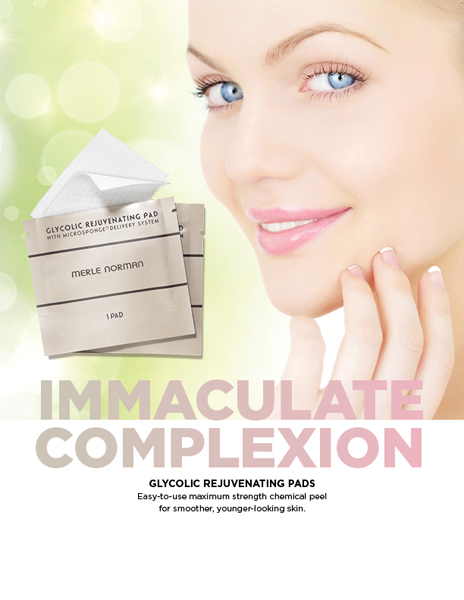 The fastest mask that I can recommend for when you simply do not have extra time, but still want to do something more for your complexion, is a glycolic peel. Sounds scaaary, but it’s not! A good one features a patented MICROSPONGE® technology, is in a single-dose pad, and is designed to deliver a time-released application of maximum strength Glycolic Acid (10%). This is a more effective exfoliation of the dead cells on skins’ outer surface. Because the Glycolic Acid is a sustained release, the formula is well tolerated. Vitamin E and Licorice Extract help soothe and refresh.
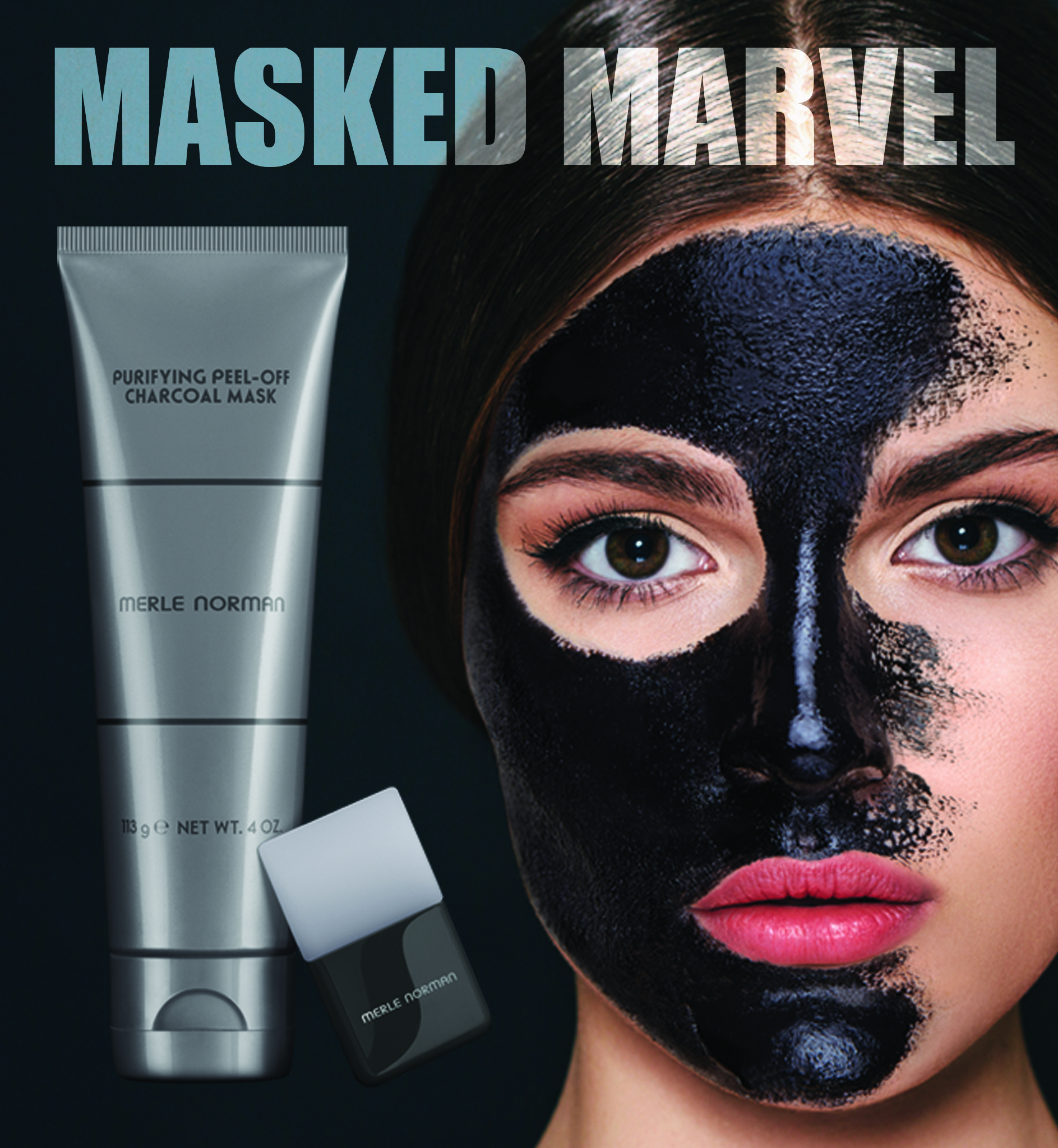 When the pores on your face seem to be more like craters on the moon, it may be time to try a charcoal mask. Activated charcoal has been used medically for years to absorb toxins from the body, soit may have been an intuitive leap to give this ingredient a try in facial masks. And it’s great forreducing toxins, brightening skin tone, and minimizing the look of pores by drawing out impurities.
BUT, there’s a process…..
This mask can be irritating or even downright painful for some people, because the substance doesn’t just adhere to and remove the gunk, it will also take hair and skin. So, generally, you need to wash your face to pre-exfoliate, then use a hot towel as a compress to open your pores, then apply the mask. Make sure the layer you paint on is thick, because peeling this mask off after it dries is not easy when it’s too thin, and coming off in pieces. After removing this mask, you may want to gently wash your face again, or wipe it with some toner on a cotton pad to remove any excess.
 If oily skin and acne are your enemies, use a mask with kaolin and/or bentonite clay. These ingredients are especially known for their exfoliating (read: clog removing) and oil absorbing properties. Some types for Normal/Oily skin are–Sea Clay, Green Zeolite Clay, French Green Clay, Bentonite Clay, and Brazilian Clay (Natural, Dark Red, Pink, Purple and Yellow). Just don’t expect your acne to dis-appear after one use-The mask will speed up the healing process of acne, and then help to control it with regular use (one to two times a week). Don’t forget to moisturize-yes, oily skin needs moisture, too!
Maybe your complexion is flaky, dry, and slightly irritated-then you want to get muddy! Mud (such as Dead Sea) actually has skin-healing properties and a high water content, making it less drying, and more hydrating, than clay- which makes mud great for almost all skin types. The minerals in a mud mask are also great for exfoliating, so it offers other benefits, like minimizing the look of pores and tightening the skin. Dry skin is lacking enough natural oil, so using a dry oil serum after your mask and before moisturizing will help maintain the right amount of oil for your skin.
A dehydrated complexion doesn’t have proper water levels. A mask with hyaluronic acid is your go-to product. This ingredient can hold a 1,000 times its’ weight in water, and is present naturally in our bodies, with nearly half of the total amount in our skin. It binds with water to retain moisture, which helps to diminish fine lines and wrinkles. With anti-bacterial properties, Hyaluronic acid will also help to calm redness, making a mask with this cosmetic superstar an excellent anti-dote to extremely dry, winter skin!
Sensitive skin is troubling for so many people-because there’s different types of sensitive skin!
For general sensitivity issues, a mask with natural ingredients is best. Look for aloe juice and camellia seed oil in the ingredients list, which can help with moisturizing and calming the skin.
Very dry sensitivity can be painful-and oatmeal can help! Colloidal (very finely ground) oatmeal, along with Shea butter and white tea are a few of the items to look for in a mask. Hyaluronic acid is a must for this skin type, too. You can try making your own mask with Manuka honey and yogurt for an easy DIY formula.
When you’ve got sensitive skin with oily/acne problems, you might think there’s no help. Pink clay to the rescue! This substance is one of the gentlest clays, so you get all the oil absorbing, pore clearing, exfoliating properties you need, while still catering to that need for a gentle formula.
Rosacea and eczema sufferers need to watch everything they use, so a mask that is also a treatment is a must. Anti-oxidant vitamins (A, C, E) and natural oils such as apricot and primrose need to be on your search list. Other ingredients to watch for are cucumbers, aloe, chamomile, arnica, turmeric, ginger and even white and reishi mushrooms. Using a gel mask with any of those ingredients seems to have even more beneficial properties. Of course, with all sensitive skin, you want to watch out for certain ingredients that you don’t want-anything that’s known for irritation. I’ve added a list at the end of this article. *
Overall, using a mask 1 to 3 times a week is a good regimen. Personal preference and results of use will guide your decision here.
By now, you’ve noticed the overlap in the many ingredients, formulas and skin types. Some ingredients and combinations will work better for your skin than others. But once you’ve found the mask that works for you, add it to the rest of your skincare regimen. Remember- Skincare is Self-care!
Thankfully, there are many products that are geared to all of these skin types. Of course, I can recommend Merle Norman products, because I use them daily!
Our masks include:
- Glycolic Rejuvinating Pads-Simply the fastest way to get excellent exfoliation and smoother skin! It’s not a traditional mask, but it is a time saver, so I couldn’t ignore the shout out.
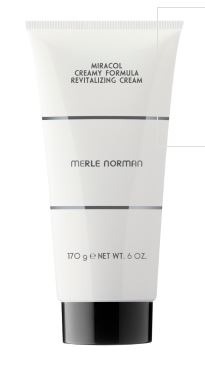
- The original Miracol- I’ve had many people (including one man who stopped me in an office supply store!) tell me about their use of this amazing mask. A lot of them tell me that this bright pink superstar has helped to control oiliness and acne-in some cases, eliminating the acne entirely. Quite the review!
- Clarifying Clay Mask-The white clay in this product is an absolute wonder at sopping up excess oil. Green tea extract adds antioxidants.

- Moisture Rich Facial Treatment-Green, extremely soothing, and hydrating, this gel–like formula also smells wonderful thanks to cucumber extract. This is my personal favorite!
- Purifying Charcoal Mask-Activated charcoal gets rid of the gunk and brightens the complexion, while exfoliating for a smooth texture.

- Revitalizing Bubbly Mask-Conditions, clarifies, and evens skin tone. Emollients and humectants hydrate and smooth-all with a refreshing scent!
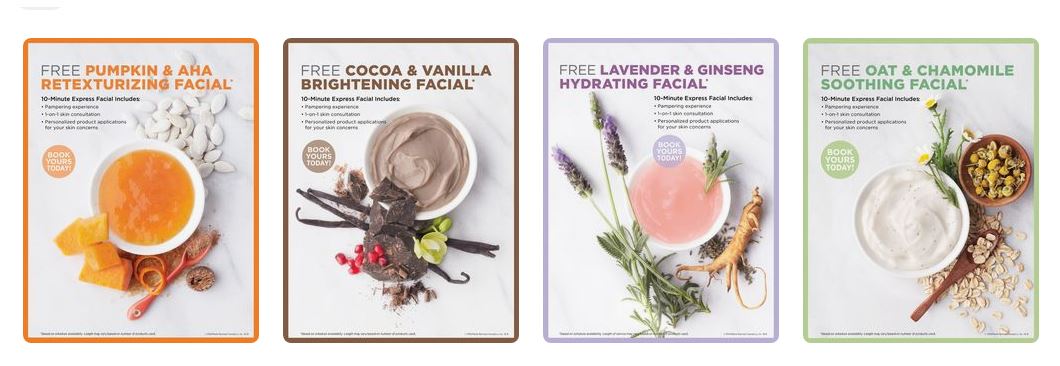
Last but not least, Merle Norman Cosmetics offers the only Free Facial! Available to all clients monthly, we have 5 mask formulas: Cocoa Vanilla for brightening, Oatmeal chamomile for soothing, Lavender Ginseng for hydrating, Apple cinnamon for pore cleansing and Pumpkin AHA for retexturizing. They all have natural extracts and wonderful aromas, and are offered with steam treatment. Many clients use this program monthly to augment their at-home skin-care regimen! These masks are not available for retail sales.
*10 Ingredients to Avoid if You Have Sensitive Skin
- 1) Methylisothiazolinone (MI)
- 2) Bismuth Oxychloride.
- 3) Petrochemicals. Petrochemicals are ingredients derived from petroleum
- 4) Sodium Lauryl Sulphate (SLS) …
- 5) Phthalates. …
- 6) Triclosan. …
- 7) Fragrances. …
- 8) Formaldehyde.
- 9)Cinnamic Acid
- 10)Essential Oils
If your skin is only generally sensitive, you may need to avoid at least the following ingredients in your skin care products:
- Isopropyl alcohol
- Sodium chloride
If you are unfortunate enough to be very sensitive to a lot of products, then other substances that you may need to put on your watch list include:
Surfactants such as:
- Sodium lauryl sulfate
- Sodium laureth sulfate
- Ammonium lauryl sulfate
- Soaps such as sodium tallowate or cocoate
- Salicylic acid
- Willow bark (the natural version of salicylic acid)
- AHA acids
Chemical sunscreens such as:
- Avobenzone
- Octinoxate
- Octisalate
- Homosalate
- Oxybenzone
- Octocrylene
 Merlezgirlz @ Merle Norman Cosmetics